
Points of interest…
- Co-responder programs avoid arrest in 98% of crisis encounters.
- Cuyahoga County commits $3.5 million to expand co-responder teams.
- Crisis social workers earn median $60K-$69K nationally.
By July 2026, eight police departments in Northeast Ohio had embedded social workers in co-responder teams, part of a broader shift across dozens of U.S. cities routing certain 911 calls to mental health clinicians instead of, or alongside, police. Surges in behavioral-health calls, scrutiny of police force, and lower per-encounter costs are driving the change. For agencies, the barrier is staffing: programs need licensed social workers who can triage and de-escalate, yet the pipeline of clinicians trained for dispatch-embedded roles remains narrow. Social work career resources can help MSW graduates identify these emerging opportunities. Cuyahoga County's $3.5 million co-responder expansion this year signals a pivot from pilot grants to permanent infrastructure, creating sustained demand for MSW graduates who understand social work theories and practice models that inform trauma-informed, community-centered crisis response.
Three Models Explained: Embedded Dispatch, Co-Responder, and Standalone Teams
In co-responder programs, 98% of encounters with individuals in crisis avoided arrest during 2020, 2021.1 This striking statistic underscores the potential of alternative 911 response models to transform crisis intervention. While police-only responses often escalate situations, these frameworks deploy social workers at different stages to de-escalate, connect people to services, and reduce reliance on emergency departments and jails.
The Three Alternative Response Frameworks
Cities and counties typically adopt one of three models, each with a distinct operational structure.
- Embedded dispatch: A licensed clinical social worker or crisis specialist works inside the 911 call center. When a call meets predefined criteria such as a mental health crisis, welfare check, or substance use concern, the embedded professional triages the call and can divert it from a police response, either by providing telephonic de-escalation or dispatching a mobile crisis team. Police involvement is optional and often not the default.2
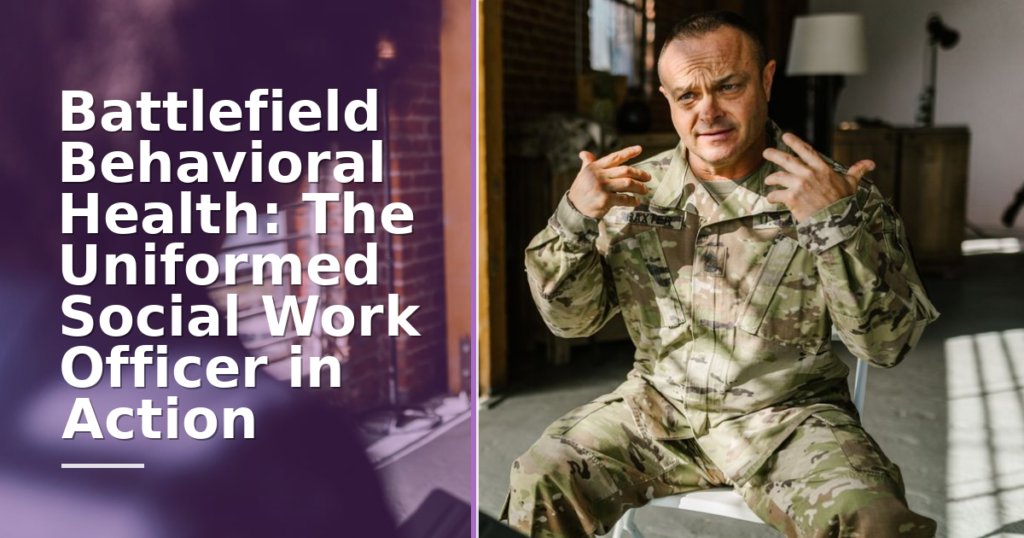
- Co-responder model: A trained social worker rides alongside a plainclothes officer in a patrol car, responding directly to crisis calls in the field. The team is typically two-person, with the officer providing safety backup and the clinician leading engagement.3 Police presence is required; however, the social worker's primary role is to assess, de-escalate, and connect the person to community services. Co-response remains the most widely adopted alternative model, with programs in cities from Johnson County, Kansas, to Northeast Ohio.
- Standalone team: A mobile crisis unit staffed by mental health professionals, often including a mental health and substance abuse social workers and a peer specialist, responds without police officers, though law enforcement is available as backup if needed.4 These teams focus exclusively on nonviolent behavioral health crises and aim to minimize any police contact.
Measured Outcomes and Cost Efficiency
Outcome data, while still developing, strongly favors the co-responder model. A 2020, 2021 analysis of multiple co-responder programs found a 28, 30% reduction in emergency room transports, an 86% rate of connecting individuals to community services, and an estimated annual cost savings of $350,000 per team from avoided ER visits.1 In a single year, one program reported $3 million in total ER cost savings. Moreover, every dollar spent on co-responder teams generates an estimated $13 to $23.50 in broader system savings through reduced arrests and hospitalizations.5
Call volumes are rising as crisis lines become better recognized. Johnson County's co-responder program saw call volume more than double, from 1,022 calls in 2019 to 2,260 in 2021, a 121% increase.6 Standalone teams, while less exhaustively studied, have achieved 50, 70% reductions in psychiatric hospitalizations in some evaluations.1 Embedded dispatch programs lack comparable published outcome metrics, but their ability to triage calls early holds promise for decriminalizing mental illness at the first point of contact.
Career Opportunities and Salary Landscape
As these models expand, so do career pathways for social workers. The Bureau of Labor Statistics projects faster-than-average growth for mental health and substance abuse social workers, with O*NET highlighting crisis intervention as a high-demand specialization. Salary surveys conducted by APCO and NENA suggest that embedded dispatchers with crisis training earn competitive wages, though traditional emergency dispatcher pay often tops out lower than field-based roles. Co-responder and standalone crisis social workers generally command higher salaries given their advanced clinical licensure and exposure to field risks. Government evaluations from SAMHSA and the DOJ consistently note that communities see these positions as cost-effective investments, fueling employer demand. While precise regional salaries vary, crisis-response social workers typically earn above the median for social workers overall, reflecting the critical nature of their work.
Training Enrollment and Employer Perceptions
Enrollment in Crisis Intervention Team (CIT) training, often a prerequisite for co-responder and embedded dispatch roles, has climbed as agencies scale these programs. University social work departments are increasingly weaving trauma certifications for social workers and crisis competencies into their MSW curricula, responding to employer demand for graduates ready to step into alternative response roles. Employer perception studies from the Urban Institute and Cicero Institute underscore strong satisfaction with co-responder and standalone teams, noting their ability to reduce social worker burnout and improve community trust.4 As funding streams solidify, such as Cuyahoga County's recent $3.5 million expansion, employers indicate a priority on hiring social workers who blend clinical acumen with seamless cross-sector collaboration.
City-By-City Program Profiles: Denver, Dallas, NYC, Minneapolis, and Northeast Ohio
When a city replaces police with social workers on 911 calls, it faces a tradeoff: rapid expansion can strain quality, while cautious pilots limit data on long-term safety and cost. The following city profiles show where programs have landed on that spectrum as of 2026.
Denver STAR: Permanent and Data-Rich since 2020
Denver's Support Team Assisted Response (STAR) launched as a pilot in 2020 and is now a permanent, citywide program.1 Six vans operate across the city, and from June 2020 through June 2025, the team handled over 25,000 calls without a single arrest during the first six months of the pilot.2 Key outcome metrics include: - Low-level crime reduction: 30-34% in targeted areas during the pilot study.3 - Treatment referral rate: 41% of all contacts since June 2020.4 - Community resource transport: 38% of contacts connected to shelters or services.4 - Psychiatric holds: Only 3% of over 12,000 clinical interactions from 2020 to 2024.2 Demand remains high. While STAR handled about 44% of eligible calls in 2022, that share fluctuated between 38% and 46% in 2023, and wait times persist.2 The program's success has spurred national interest, but its per-call cost is roughly one-quarter that of a police response, making a strong case for permanent funding.3
Dallas RIGHT Care: A Co-Responder Model with National Attention
Dallas's Rapid Integrated Group Healthcare Team (RIGHT Care) started in 2018 and pairs police officers, paramedics, and social workers. It is widely cited as an early success, yet detailed public reports on call volumes and measurable diversion rates remain sparse. The program continues to operate, but its expansion pace and formal evaluation metrics are less visible than Denver's. Anecdotal evidence suggests reductions in arrests and emergency room visits, but rigorous, publicly available data on outcomes like repeat calls or cost savings is not yet available.
NYC B-HEARD: Pilot Expansion in America's Largest City
New York City's Behavioral Health Emergency Assistance Response Division (B-HEARD) began in 2021 as a pilot in high-need precincts. It dispatches mental health professionals instead of police for certain 911 calls. The pilot has expanded geographically but remains a pilot as of 2026, with ongoing evaluation. Early reports point to fewer arrests and ER transports, though the scale of impact is less dramatic than Denver's initial results. Full citywide implementation hinges on budget negotiations and demand for clinicians, making it a closely watched test case for large urban centers.
Minneapolis Behavioral Crisis Response: A Pilot Shaped by Reform
Minneapolis launched its Behavioral Crisis Response (BCR) program after 2020, dispatching unarmed social workers to mental health crises 24/7 in select areas. Because it is relatively new, long-term data on repeat calls, arrest diversion, and cost benchmarks is still being collected. Early feedback highlights strong community satisfaction and reduced police involvement, but formal statistical analyses are pending. Social worker safety in mental health settings is a practical concern as these unarmed responder models scale, and programs must develop clear protocols to protect practitioners in the field.
Northeast Ohio: A $3.5 Million Countywide Push in 2026
As reported by cleveland.com, Parma and Parma Heights approved co-responder initiatives in July 2026, joining roughly eight police departments in the region that already embed social workers.5 The Shaker Heights "First CALL" pilot launched in 2022 and expanded in 2024 to Cleveland Heights, University Heights, Richmond Heights, and South Euclid.5 Cuyahoga County committed up to $3.5 million to expand these programs in 2026, offering grants of up to $50,000 per municipality annually (max $150,000 over three years) or up to $200,000 for coalitions of up to four cities.5 Partners include the ADAMHS Board, Cuyahoga County government, the U.S. DOJ COPS Office, and Cleveland State University. Social workers interested in these roles can explore online MSW programs in Ohio that provide the clinical and crisis intervention training these co-responder partnerships require. This investment mirrors national trends and signals growing demand for social workers skilled in crisis intervention, particularly those with CIT training. Practitioners should also review available social work certifications that align with co-responder program requirements.
Program Outcomes: ER Diversion, Arrest Rates, Repeat Calls, and Cost Data
What measurable impact have social worker response programs had on emergency room visits, arrests, and repeat 911 calls?
Measuring what matters: arrests, ER visits, and repeat calls
The numbers tell a consistent story: when clinicians show up instead of officers, fewer people get handcuffed. Denver's Support Team Assisted Response (STAR) program handled over 1,300 incidents in its first year without making a single arrest, and researchers attributed a 34% reduction in low-level crimes to the program's presence.1 Meanwhile, DeKalb County, Georgia, recorded a 15% reduction in mental-health-related emergency room visits after launching its co-responder model. Repeat-call data remains harder to pin down across sites; programs like NYC's B-HEARD are still compiling follow-up statistics, and early indicators point to a modest decline in frequent-use patterns.
The cost argument: social work response vs. traditional policing
A 2020 analysis of Denver's STAR program pegged the cost of a clinician response at $151 per incident, compared with $646 for a traditional police response to a similar low-level, non-violent call.1 By 2023 the program's annual budget reached $4.4 million, with van-only calls costing $237 apiece and the fully loaded cost per response (including dispatch, training, and administrative overhead) landing at $470.2 Even the higher figure still undercuts the expense of sending uniformed officers to situations that rarely require law enforcement.
Beyond direct savings, diversion programs unlock downstream value. STAR connected 41% of its contacts to follow-up treatment and transported 38% of individuals directly to community resources instead of jail cells or emergency departments.3 Preventing an arrest avoids court processing, public defender hours, and potential jail stays, while connecting a person to services can interrupt the cycle of crisis call, short-term stabilization, repeat call. Understanding why research is important in social work helps practitioners advocate for this kind of outcome-driven program design.
Who funds these programs?
The funding mix varies by jurisdiction but generally blends three streams: - Federal dollars: U.S. Department of Justice COPS Office grants have seeded several co-responder pilots. - Local budgets: City councils and county commissions increasingly carve out recurring dollars after a pilot proves itself. Cuyahoga County, for instance, offers municipalities up to $50,000 per year for three years, or up to $200,000 for coalitions of up to four cities. Social work grants for practitioners are another avenue worth exploring for clinicians building these programs. - Medicaid exploration: A few states are experimenting with billing crisis intervention as a Medicaid-reimbursable service, though widespread adoption remains a work in progress.
Equity: an emerging area of analysis
Who benefits when clinicians answer the phone? Denver's STAR data show 66% of the people served were experiencing homelessness, a population disproportionately policed for low-level offenses.4 While rigorous race- and income-stratified outcome reports are still rare, the Urban Institute notes that alternative response programs hold promise for reducing racial disparities in arrests.2 Comprehensive equity audits are the next necessary step to confirm that diverting calls away from police truly narrows gaps rather than just shifting the point of contact.
Program Outcomes at a Glance

How 911 Calls Are Routed to Social Workers: Dispatch Decision Rules and Eligibility
Routing a 911 call to a social worker instead of police starts with the call-taker identifying situations that pose more of a health risk than a safety risk. When a caller reports a person in mental distress, a conflict without threats, or a welfare concern, the goal is to dispatch the most appropriate responder. That process relies on structured triage that separates crisis intervention from law enforcement.
What Calls Qualify for a Social Worker Response?
Programs across the country typically accept calls that involve no immediate threat of violence. Common categories include welfare checks on individuals who appear disoriented or isolated, mental health crises such as suicidal ideation without a weapon, substance-use episodes where the person is not combative, homelessness-related social work situations like someone sleeping in a public lobby, and neighbor disputes that do not involve physical aggression. Some jurisdictions also route non-emergency public intoxication or truancy calls. The unifying principle is that the situation can be de-escalated and resolved through conversation, resource connection, and clinical assessment rather than force.
Exclusion Criteria: When Police or EMS Are Required
Call-takers are trained to exclude scenarios where weapons are present, active violence is occurring, domestic violence involves a weapon, or the caller reports an immediate medical emergency such as an overdose with respiratory distress. If a caller indicates a person is wielding a knife, barricaded inside a home, or actively harming someone, police remain the default response. Many programs also exclude calls where a weapon is mentioned even if it is not in hand, because the potential for escalation remains high. EMS is dispatched for severe intoxication with unconsciousness, significant injuries, or any life-threatening medical condition.
The Dispatcher's Decision Tree
Dispatchers use a set of structured screening questions to determine which response team to send. The process often mirrors the Crisis Intervention Team (CIT) dispatch model: call-takers ask whether the person is armed, whether they are threatening themselves or others, whether a crime is in progress, and whether medical help is needed. If the answers point toward a non-criminal behavioral crisis, the call is transferred or flagged for a social worker team. In some jurisdictions, mental health clinicians are embedded in the 911 center to provide real-time guidance. Social workers in these roles draw on skills developed during MSW clinical year practicum training, where supervised fieldwork builds the assessment instincts needed to read ambiguous situations quickly. If a situation escalates while a social worker is en route, police can be added as backup. This decision tree is documented in dispatch protocols and regularly audited to reduce missed flags.
Response Times and After-Hours Coverage Gaps
Most alternative-response programs operate during limited hours, often from morning to early evening on weekdays. Response times for social worker teams can be longer than for police, partly because the teams cover larger geographic areas and are dispatched only to calls that meet strict criteria. While some pilot programs have reduced emergency department transports and repeat calls, they still struggle to provide 24/7 coverage. Even in cities with robust funding, overnight shifts are often unfilled, leaving a gap where police remain the only available 911 resource for mental health crises. Gun violence prevention roles for social workers illustrate a similar pattern, where clinical skills are needed around the clock but staffing models lag behind demand. Expanding round-the-clock availability remains a key goal as these programs mature.
Related Articles
Training, Licensing, and Skills Required for Crisis-Response Social Workers
Social workers entering crisis response face a clear tension: the clinical training required for independent practice must be layered with urgent, real-world skills that traditional MSW programs rarely deliver. While licensure assures foundational competence, co-responder programs demand a specialized toolkit forged through community-specific training and law enforcement collaboration.
The Credential Pathway: BSW, MSW, LCSW, and CIT
Most crisis-response social worker positions require a Master of Social Work (MSW) as a baseline, with many employers expecting licensure as a licensed clinical social worker for independent practice. Crisis Intervention Team (CIT) training, however, is the field-specific credential that bridges clinical expertise and first-response settings. In Cuyahoga County, Ohio, the ADAMHS Board's CIT program has trained officers from at least 59 agencies since 2021, but social workers are increasingly enrolling to master the collaborative model. This 40-hour curriculum covers recognizing mental health crises, de-escalation tactics, and connecting individuals to treatment rather than jail. For social workers, CIT certification signals readiness to operate alongside law enforcement with shared language and protocols.
Core Competencies Beyond the Classroom
While MSW programs address social work ethics and diagnostic frameworks, crisis-response roles demand deeper proficiency in several areas: - Trauma-informed care: Recognizing how past trauma shapes behavior during a crisis and avoiding re-traumatization during intervention. - De-escalation techniques: Using verbal and non-verbal strategies to calm agitated individuals without physical force. - Motivational interviewing: Guiding people toward voluntary engagement with services, a skill often underemphasized in standard social work curricula. - Substance abuse assessment: Rapidly evaluating intoxication levels and withdrawal risks, which frequently underlie 911 calls involving mental health. - Cultural humility: Navigating diverse communities with awareness of how historical policing inequities may influence trust during a response.
These competencies are typically cultivated through post-graduate workshops, field mentorship, and the CIT program itself, which offers scenario-based practice absent from most classroom settings.
Why Ride-Alongs and Local Network Knowledge Matter
CIT training often includes police ride-alongs, a practical component that MSW field placement experiences rarely provide. Ride-alongs expose social workers to the pace, constraints, and officer safety concerns of patrol work, building mutual respect and operational fluency. Departments increasingly view this experience as essential; it allows social workers to anticipate how scenes unfold and when to step in. Additionally, social workers must possess encyclopedic knowledge of local service networks. Mayfield Heights, for example, equips police cruisers with resource binders detailing everything from shelter beds to detox centers. A crisis-response social worker must not only know these resources but also assess availability in real time and facilitate warm handoffs. This hyperlocal expertise, cultivated through programs like addiction social work career development in detox and recovery settings, ensures that a 911 call ends with a connection to care, not a gap in the system.
Career Opportunities and Salary Outlook in Crisis-Response Social Work
Crisis-response social workers typically fall under two BLS occupational categories. National median wages for 2024 range from about $60,000 to $69,000, though pay can vary widely by experience, setting, and region. Roles involving night shifts, on-call duties, and field response often command additional compensation, and openings are projected to grow faster than average through 2032.
| Occupation | Median Annual Wage | 25th Percentile | 75th Percentile | Total Employment |
|---|---|---|---|---|
| Mental Health and Substance Abuse Social Workers | $60,060 | $46,550 | $78,980 | 125,910 |
| Social Workers, All Other | $69,480 | $52,010 | $95,390 | 64,940 |
How 988 and 911 Integration Is Shaping the Future of Crisis Response
How are 911 and 988 call systems being connected so that mental health crises reach trained counselors instead of police? As of mid-2026, integration efforts are moving from pilot projects to statewide mandates, creating new career opportunities in social work.
Operational Integration: Shared Workflows and Mutual Transfers
Several localities have already woven 988 and 911 into shared workflows. Fairfax County, Virginia, and the Sioux Falls/Minnehaha County region in South Dakota operate integrated systems with mutual transfers between dispatchers and crisis counselors.1 Orange County, New York, and Douglas County, Kansas, coordinate workflows to divert eligible calls without a police response.2 These models rely on real-time triage: 911 call-takers identify a behavioral health need and warm-transfer the caller to 988, or 988 counselors request a welfare check through 911 when risk escalates.
Policy Mandates and the Push for Interoperability
State legislation is accelerating interoperability. Virginia's Marcus Alert system, adopted by 10 localities, requires full integration by July 2028.1 Nebraska set a January 2025 deadline for statewide dual transfer capability,3 and California's AB 988 mandates complete 911-988 interoperability by 2030, with live transfers tested in 2025.4 The FCC now requires wireless carriers to route 911 calls to the nearest crisis center, while SAMHSA's January 2026 funding opportunity of $231 million is fueling local infrastructure.5 No national standard exists yet, but at least 12 states have established dedicated 988 fees to sustain operations.6
New Career Tracks for Social Workers
For MSW professionals, integration opens roles in 988 call centers, mobile crisis teams, and hybrid dispatch positions. Co-responder and community response teams increasingly embed social workers alongside paramedics or officers, requiring skills in crisis de-escalation, suicide risk assessment, and care coordination. Behavioral health leadership training equips MSW graduates for supervisory and program-development roles within these expanding systems. Programs like First CALL in Northeast Ohio and California's mobile crisis units demonstrate the demand for clinicians who can operate fluidly between health and emergency systems.
Open Questions and Emerging Challenges
Significant unknowns remain. Liability protections, like North Dakota's civil immunity law for 988 and 911 staff, are not universal.7 Data sharing between health and law enforcement systems raises privacy concerns. Whether 988 will reduce overall 911 mental health call volume or simply reshape it depends on public awareness and sustained investment. Social workers entering this space must navigate evolving protocols while advocating for trauma-informed, community-centered responses. The social work role in healthcare systems more broadly offers a useful frame for understanding how clinicians bridge emergency and long-term care.
Common Questions About Social Workers Responding to 911 Calls
The shift toward social workers as first responders raises practical questions about authority, training, and impact. Below, we answer the most common inquiries from prospective MSW students and professionals exploring crisis-response careers.